
Understanding tape measure fractions is essential for anyone working with wood, metal, fabric, or construction materials. Whether you’re building a bookshelf, installing tile, or sewing a dress, accurate measurements make the difference between success and frustration. Most standard tape measures use imperial units with fractional inch markings. These small lines between whole inches represent parts of an inch—like 1/2, 1/4, 1/8, and 1/16—and knowing how to read them correctly ensures precision.
Moreover, many beginners struggle with identifying tape measure fractions quickly. The dense collection of lines can appear confusing at first glance. However, once you learn the pattern, reading these fractions becomes second nature. This guide breaks down every aspect of tape measure fractions. It covers how they’re laid out, how to interpret them, and how to apply them in real-world tasks.
Contents
 Why Tape Measure Fractions Matter in Daily Tasks
Tape measure fractions are not just for professionals. DIYers, crafters, and homeowners rely on them regularly. A misread fraction can result in a board that’s too short or a curtain rod that doesn’t fit. Accuracy prevents waste and rework.
For example, when hanging shelves, even a 1/16-inch error can cause visible misalignment. Over multiple units, this adds up. Reading tape measure fractions correctly keeps your work level and symmetrical.
In carpentry, cutting materials based on wrong fractions leads to poor joints. Gaps form between pieces. Structural integrity may weaken. Using precise measurements avoids these issues.
Sewing patterns often require exact lengths. Fabric costs add up fast. Cutting too much means wasted material. Measuring with confidence reduces mistakes.
Plumbing and electrical work also depend on fractions. Installing outlets or pipes demands accuracy. Misplaced holes create delays and extra labor.
Even gardening benefits. Spacing seedlings properly increases growth. Row markers set at correct intervals improve yield. Measuring tapes with clear fractions help achieve consistency.
Ultimately, mastering tape measure fractions saves time, money, and effort. It builds confidence across all skill levels.
How Tape Measure Fractions Are Marked and Organized
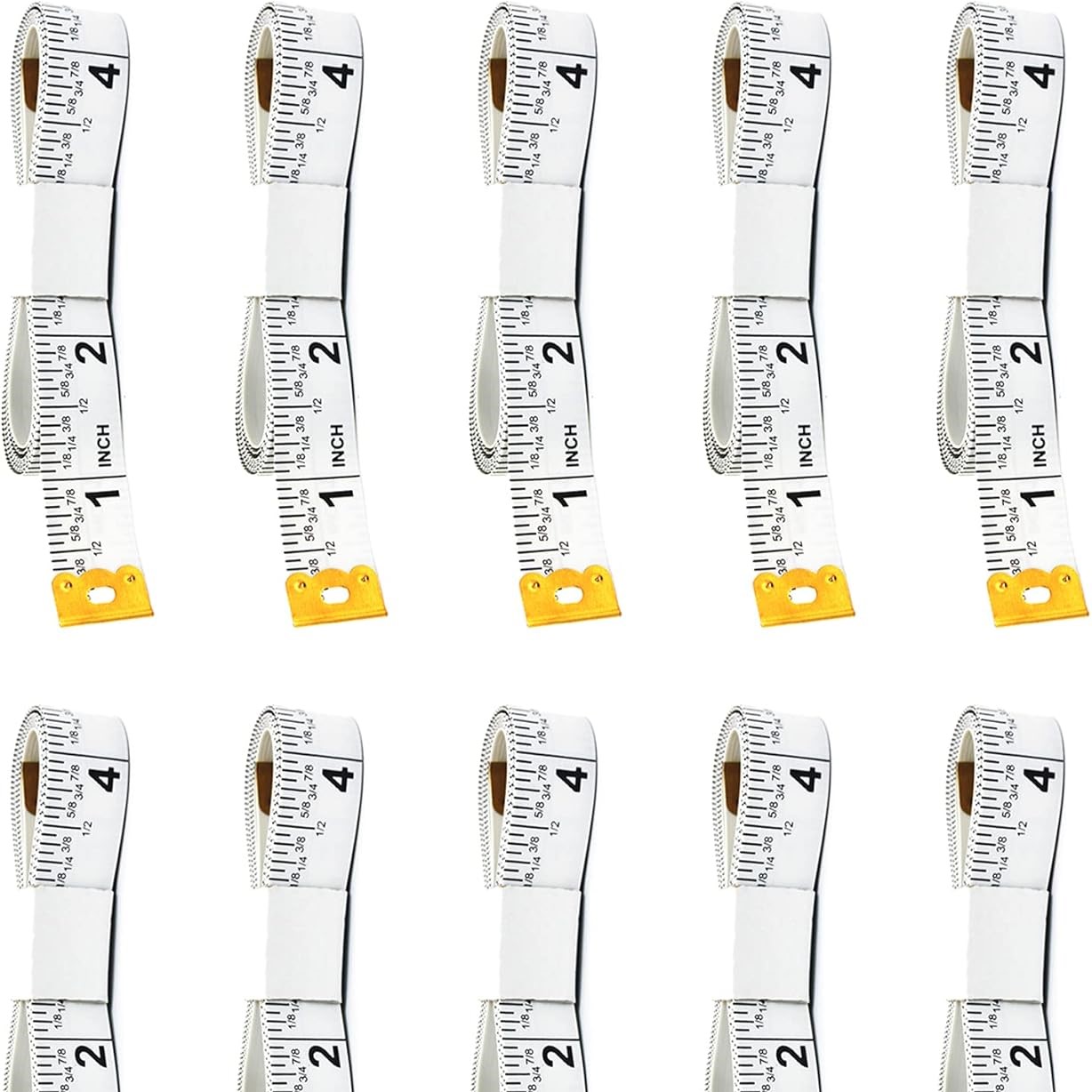
Every tape measure follows a standard layout for fractions. Whole inches are marked by the longest lines. Each number represents one inch. Between them, shorter lines divide the space into smaller units.
The second-longest line marks the half-inch (1/2″). It sits exactly between two whole numbers. This makes it easy to spot.
Quarter-inch (1/4″) lines are shorter than half-inch ones. They appear at the 1/4 and 3/4 points within each inch. There are two per inch.
Eighth-inch (1/8″) lines are even shorter. Four fall between each whole inch. They help refine measurements further.
Sixteenth-inch (1/16″) lines are the smallest. Eight appear in each inch. These allow high precision. Many projects require this level of detail.
Red numbers appear every 16 inches. These mark stud spacing in wall framing. They don’t relate to fractions but serve as quick reference points.
Some tapes include black diamonds at 19.2-inch intervals. These indicate joist spacing in advanced framing. Again, separate from fractional readings.
The pattern repeats consistently. Once learned, users can identify any fraction instantly.
 How to Read Tape Measure Step by Step
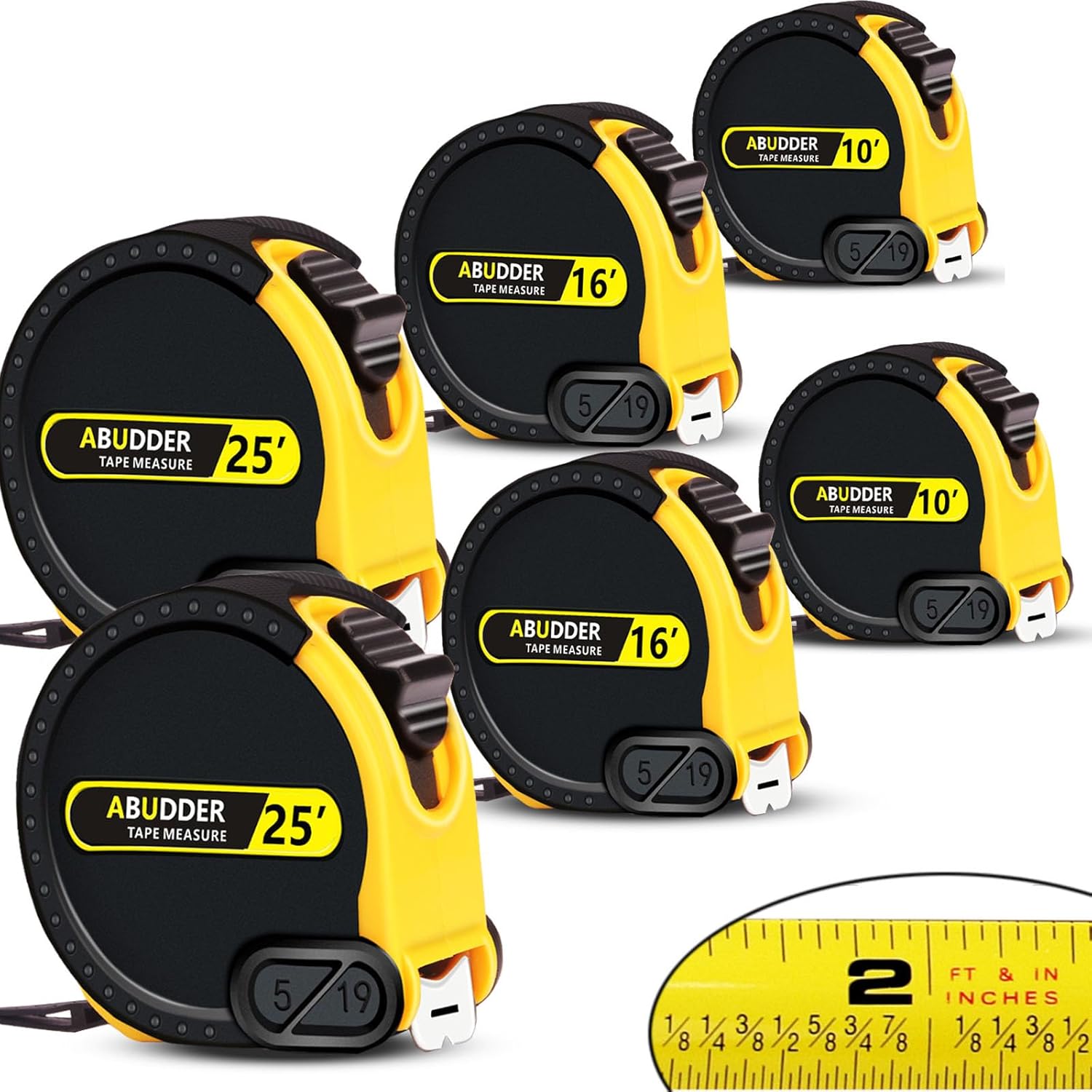
Start by placing the hook end against the edge of your material. Ensure it’s flush and stable. Any gap creates measurement errors.
Find the nearest whole inch before your endpoint. Look at the largest numbered line. That’s your base number.
Now, count forward from that inch. Identify the next longest line. If it reaches halfway, it’s 1/2″. For example, “5 and 1/2” means five and a half inches.
Next, check for quarter marks. Does the line reach a quarter of the way? Then it’s 1/4″ or 3/4″, depending on position.
Look closer for eighth-inch lines. These sit between quarters. Count one-eighth, two-eighths (which equals 1/4), three-eighths, etc.
Sixteenth-inch lines fill the gaps. Count them after the last full fraction. For instance, the third tiny line past 7 inches is 7 and 3/16″.
Use both eyes. View the tape straight on. Angled sight distorts alignment. This is called parallax error.
Practice with known objects. Measure a smartphone or credit card. Compare results to actual sizes. Adjust technique if needed.
Common Mistakes When Reading Tape Measure Fractions
One frequent error is starting from the wrong point. The metal hook moves slightly. Its back edge marks zero for inside measurements. The front edge counts for outside. Confusing them causes inaccuracies.
Another mistake is miscounting lines. Users may skip a 1/16″ mark. Or assume a 1/4″ line is a 1/2″. Slowing down improves accuracy.
Parallax error occurs when viewing from above. The line appears to align incorrectly. Always look directly down at the measurement.
Rushing leads to wrong cuts. Double-check before marking. Say the fraction aloud. Hearing it reinforces memory.
Some ignore metric side confusion. Tapes often show centimeters on reverse. Mixing systems leads to mismatched results.
Failing to lock the blade causes slippage. Use the locking mechanism. Keep the tape extended during solo work.
Older tapes wear out. Faded ink or bent hooks reduce reliability. Replace when readability declines.
Misreading red numbers as fractions happens too. Remember, red marks spacing—not fractional values.
 Tools and Aids That Help Interpret Tape Measure Fractions
Visual charts simplify learning. Printouts show inch divisions with labeled fractions. Post them near your workspace. Refer until memorization kicks in.
Color-coded tapes use different hues for halves, quarters, and eighths. Red for 1/2″, blue for 1/4″, green for 1/8″. This visual cue speeds recognition.
Digital measuring tools display fractions clearly. Some convert decimals to 1/16″ automatically. Others speak the measurement aloud.
Laser measures give instant digital readouts. Avoid interpreting lines. Ideal for long spans or overhead distances.
Smartphone apps simulate tape functions. Use screen touch or camera input. Overlay guides highlight fractions. Share results via text or email.
Magnifying rulers help those with vision challenges. Enlarge small marks. Raised edges assist tactile identification.
Children benefit from educational toys. Magnetic tiles with inch markings teach early math. Play-based learning sticks longer.
Interactive videos demonstrate real-time reading. Pause and repeat. Follow along with your own tape.
Augmented reality (AR) apps are emerging. Point your phone at a tape. An overlay labels each fraction. This tech bridges theory and practice.
Adapting to Different User Needs and Abilities
Left-handed users face challenges. Most tapes assume right-hand control. Some models reverse numbering. Others allow dual-side reading.
People with visual impairments need alternatives. Audio tools announce measurements. Tactile rulers have raised dots or Braille.
Large-print tapes suit older adults. Bigger fonts reduce eye strain. High-contrast backgrounds improve visibility.
Colorblind individuals may confuse coded diagrams. Black-and-white patterns or textured lines offer alternatives. Labels replace color cues.
Non-native English speakers rely on symbols. Universal icons replace text-heavy instructions. Arrows, numbers, and shapes communicate clearly.
Beginners benefit from guided workshops. Trainers walk through examples. Immediate feedback corrects errors.
Online forums support self-learners. Ask questions. Share photos of tricky readings. Get advice from experienced users.
Educational institutions use standardized tapes. Uniform designs ensure consistency. Training scales efficiently.
 Applying Tape Measure in Real Projects
Carpentry requires precise cuts. Studs, joists, and trim must align perfectly. Misreading by 1/8″ causes visible gaps. Accuracy ensures clean finishes.
Framing walls uses red 16-inch marks. But fractions matter between them. Cuts for headers or cripples need exact length.
Hanging pictures involves centering. Measure total width. Divide by two. Use tape measure fractions to find midpoint. Hang evenly.
Sewing relies on detailed lengths. Necklines, sleeves, and hems depend on correct measurements. Fabric is expensive. Waste hurts budgets.
Tile installation needs consistent spacing. Layout lines based on accurate fractions. Grout lines stay uniform.
Home improvement tasks like shelving demand level alignment. Measure from corners. Verify both sides match. Avoid crooked results.
Plumbing and electrical work involve depth checks. Drill holes at correct locations. Avoid hitting wires or pipes behind drywall.
Gardening includes row spacing. Seeds grow better with proper distance. Use stakes and string guided by tape measure fractions.
Customization and Practical Tips
Mark frequently used lengths with colored tape. Wrap a small strip at 12″, 18″, or 24″. Quick reference saves time.
Use pencil instead of pen. Pencil marks erase easily. Don’t damage surfaces.
Label your tape case. Include name and contact info. Prevent loss on job sites.
Store the tape properly. Retract fully. Keep in dry, cool place. Avoid direct sunlight.
Clean blades occasionally. Wipe with a damp cloth. Remove sawdust and grime.
Replace worn cases. Cracked plastic exposes internal parts. Broken springs fail to retract.
Buy quality tapes. Durable blades resist kinking. Rubber-coated cases survive drops.
Keep spare tapes. Have one in your car, toolbox, and workshop. Redundancy prevents delays.
Frequently Asked Questions
What do the small lines on a tape mean? They represent fractions of an inch. 1/16″, 1/8″, 1/4″, and 1/2″ increments.
How many 1/16″ are in one inch? Sixteen. Each small line stands for one-sixteenth.
Can I measure without fractions? Yes, use metric side. Centimeters and millimeters avoid fractions.
Why does the metal hook move? It compensates for thickness. Ensures accurate inside and outside measurements.
Are all tapes marked the same? Most follow standard. Minor variations exist. Check manufacturer guide.
Do laser measures show fractions? Some do. Others display decimals. Conversion charts help.
How do I know if my measurement is correct? Double-check from opposite ends. Use a second tool to confirm.
Can children learn tape measure fractions? Yes. Start with large print tools. Use games and visuals.
Is there a left-handed tape? Some brands offer mirrored scales. Others have symmetrical designs.
What about rust on the blade? Wipe clean. Apply light oil. Store dry to prevent corrosion.
Can I wash a dirty tape? Wipe with damp cloth. Do not submerge. Dry completely before storing.
Does temperature affect readings? Metal expands in heat. Plastic reels warp. Store in moderate conditions.
 Final Thoughts
Learning to read tape measure fractions is a fundamental skill with lasting value. Whether you’re a beginner or seasoned pro, accuracy starts with understanding the lines on your tape. From DIY repairs to professional builds, these fractions guide every cut and placement.
With practice, what once seemed complex becomes automatic. Confidence grows. Mistakes decrease. Your projects reflect greater care and precision.
Use tools, charts, and community support to build knowledge. Teach others. Reinforce your own skills. Make reading tape measure fractions a natural part of your routine.
Ultimately, this small skill has a big impact. It turns uncertainty into mastery. So grab your tape, slow down, and measure right—because in every project, fractions matter.