
The allure of vintage mexico silver jewelry continues to captivate collectors, fashion lovers, and cultural enthusiasts around the world. Handcrafted with care and rich in heritage, these pieces reflect a deep connection to Mexican artistry and indigenous traditions. From intricate filigree work to bold tribal designs, each item tells a story of identity, nature, and spiritual symbolism.
Moreover, vintage mexico silver jewelry stands out for its authenticity and craftsmanship. Unlike mass-produced accessories, these treasures were often made by skilled artisans using traditional techniques passed down through generations. Many date from the mid-20th century, a golden era for Mexican silversmithing. As interest in sustainable and meaningful fashion grows, so does the demand for genuine vintage pieces.
Contents
- 1 The Golden Age of Mexican Silversmithing
- 2 Distinctive Styles and Regional Influences
- 3 Identifying Authentic Vintage Pieces
- 4 Popular Types of Vintage Mexican Silver Jewelry
- 5 Caring for Your Vintage Mexico Silver Jewelry
- 6 Where to Find Genuine Vintage Mexico Silver Jewelry
- 7 Frequently Asked Questions
- 8 Final Thoughts
 The Golden Age of Mexican Silversmithing
How the 1930s to 1970s Shaped a Lasting Legacy
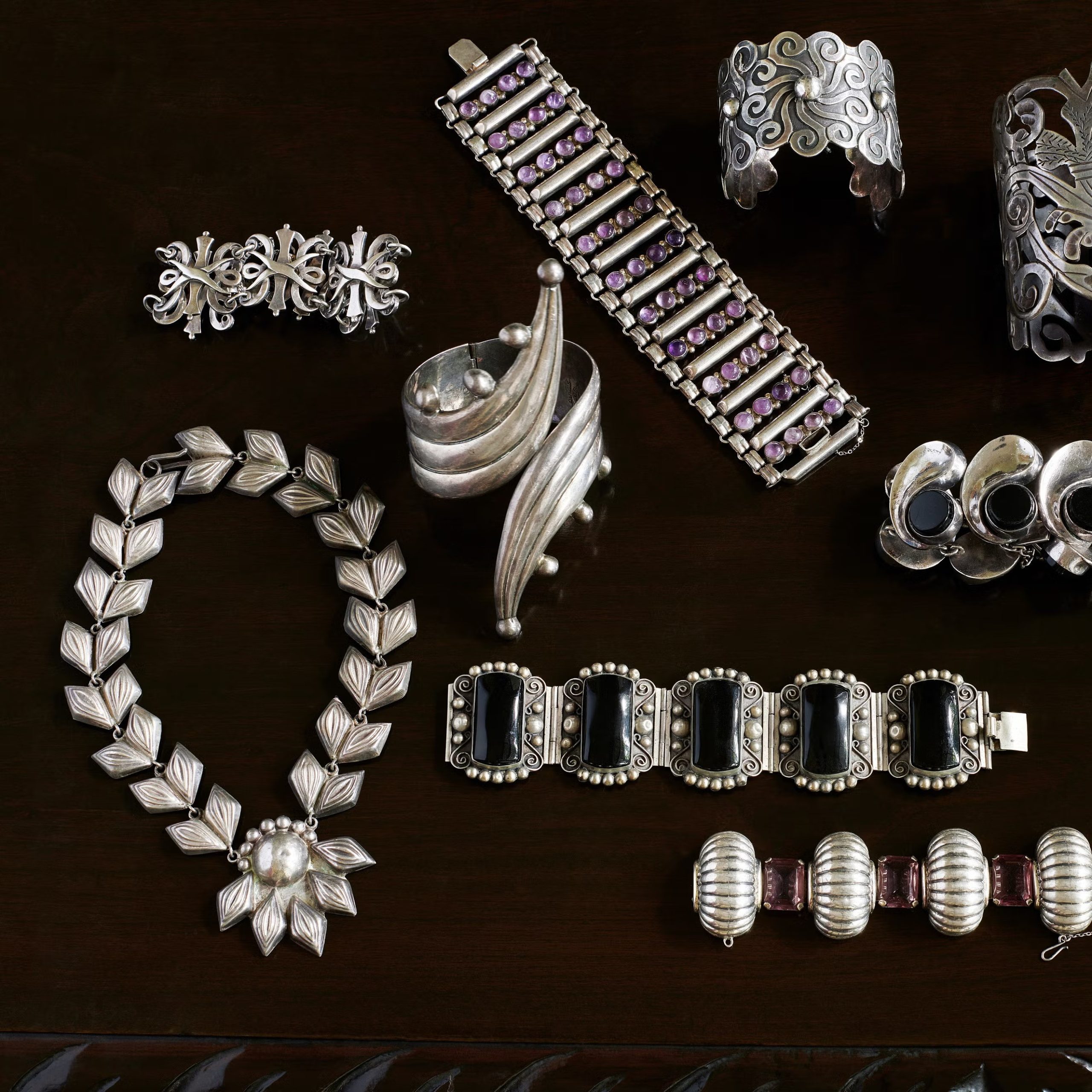
The rise of vintage mexico silver jewelry began in the 1930s, when American tourists started visiting Mexico in greater numbers. They brought back hand-carved silver as souvenirs. This sparked commercial interest. Local artists saw an opportunity to preserve their culture while earning income.
By the 1940s, major designers like William Spratling revolutionized the industry. He opened workshops in Taxco, a historic mining town. There, he trained local craftsmen in modern design while honoring pre-Columbian motifs. His influence helped elevate Mexican silver to international acclaim.
In the 1950s and 60s, Hollywood stars fueled the trend. Actresses such as Elizabeth Taylor and Marilyn Monroe wore large, ornate silver necklaces and cuffs. Photos of them boosted global visibility. Demand soared across Europe and North America.
Mexican silversmiths responded with creativity. They used high-purity silver—often .925 or even .999 fine. Each piece was shaped by hand, not machine. Techniques included repoussé (hammered relief), granulation (tiny metal beads), and stone inlay.
During this time, guilds formed to protect quality. Artisans signed their work with stamps. These marks now help identify authentic vintage mexico silver jewelry. Collectors search for names like “Vicente Oropeza” or “Antonio Pineda.”
This golden age didn’t last forever. By the 1980s, cheaper imitations entered the market. Yet the legacy endured. Today’s buyers still seek original works from this peak period.
Distinctive Styles and Regional Influences
How Location and Culture Shape Design
Mexico’s diverse regions produce unique styles of vintage mexico silver jewelry. In Taxco, designs are elegant and architectural. You’ll find clean lines, geometric shapes, and Aztec-inspired patterns. Many pieces resemble wearable sculptures.
Oaxaca offers a different flavor. Here, Zapotec and Mixtec influences dominate. Jewelry often includes animal symbols like jaguars, eagles, or serpents. These represent strength, vision, and transformation. Artisans also use natural dyes and fibers in combination with silver.
Northern states like Chihuahua and Durango feature bolder, more rugged pieces. Cowboys and ranchers influenced the style. Large belt buckles, cufflinks, and spurs were common. Silver was often combined with leather or turquoise.
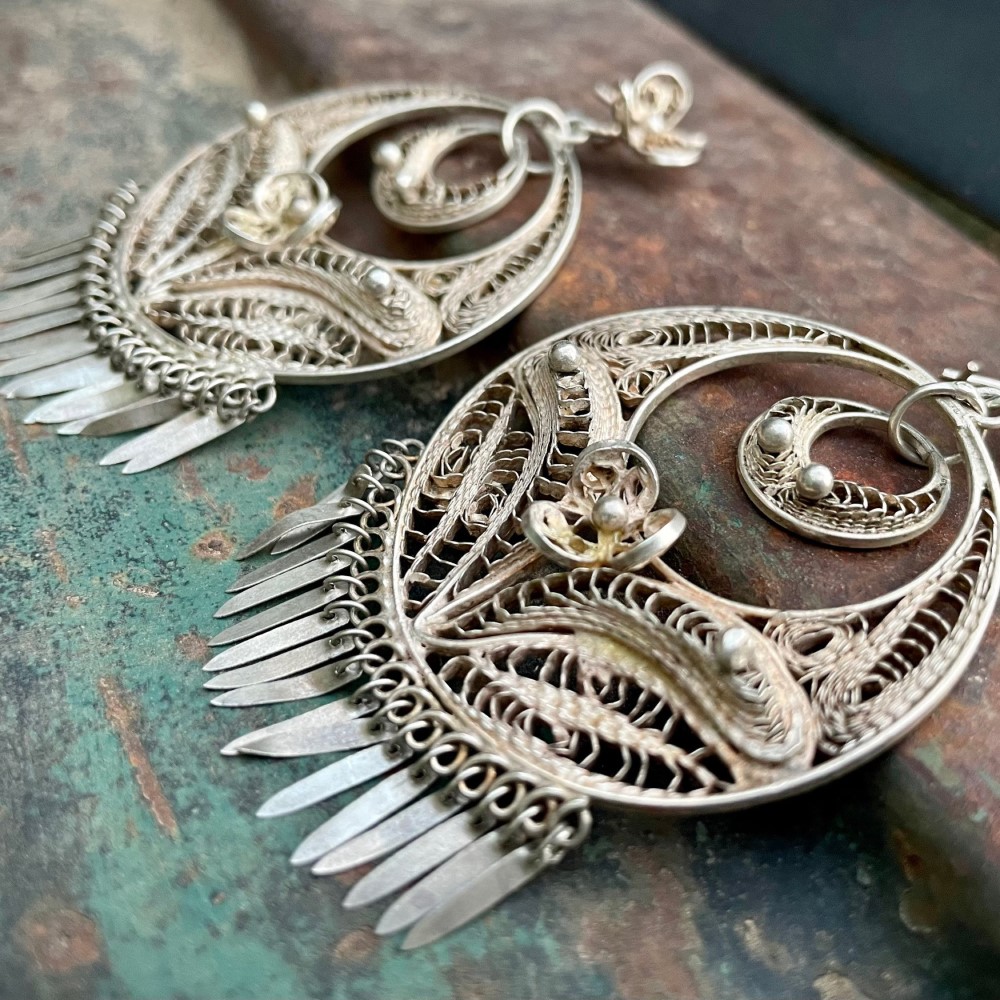
In central Mexico, especially around Mexico City, fusion styles emerged. European elegance met indigenous symbolism. Filigree work became popular. Delicate wires twisted into floral or lace-like patterns. These details required extreme precision.
Jalisco artisans focused on religious themes. Crosses, saints, and Virgin Mary pendants were widely produced. Some doubled as protective talismans. Others served as family heirlooms.
Meanwhile, coastal areas incorporated ocean elements. Seashell shapes, fish, and wave patterns appear in rings and earrings. These lighter designs suit warm climates and beachwear.
Each region developed its own hallmark. Buyers today look for these regional traits. They add depth and meaning to a collection.
 Identifying Authentic Vintage Pieces
Key Markings, Materials, and Craftsmanship Clues
Finding real vintage mexico silver jewelry requires attention to detail. First, check for hallmarks. Genuine pieces often bear stamps indicating purity. Look for “.925”, “925”, or “Plata Mexicana”. These confirm sterling silver content.
Many artisans included their name or initials. Famous makers stamped “WS” for William Spratling. Others used full signatures like “Tane” or “Pineda”. These marks increase value and authenticity.
Next, examine construction methods. True vintage items show signs of handcrafting. Slight asymmetry is normal. Machine-made perfection suggests modern reproduction. Look for tiny hammer marks or uneven soldering. These indicate manual work.
Weight matters too. Real silver feels heavy for its size. Lightweight pieces may be silver-plated brass or aluminum. Test with a magnet. If it sticks, the base metal isn’t silver.
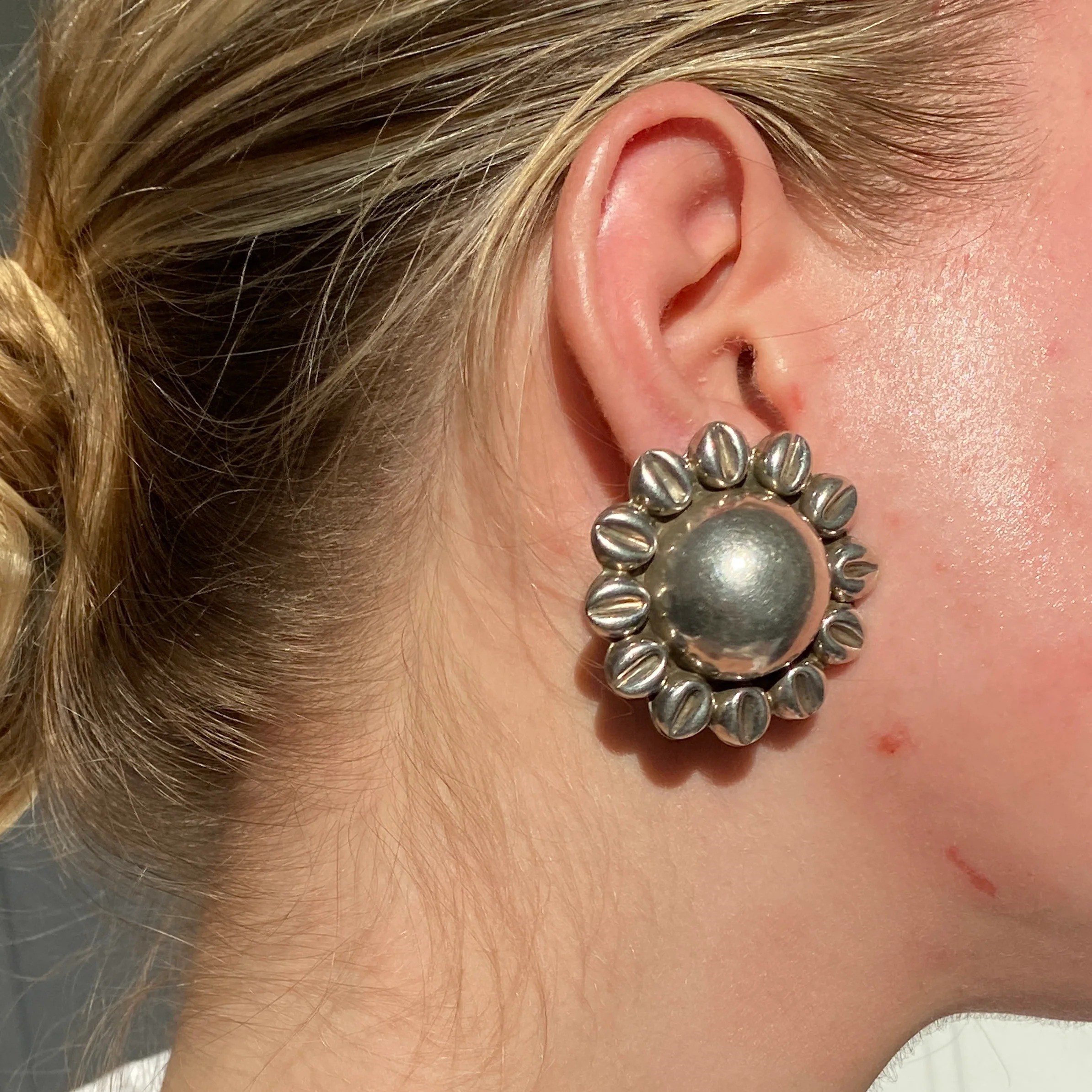
Stone settings offer another clue. Natural stones like turquoise, onyx, or amber were common. They were cut by hand and set without glue. Loose or falling stones suggest age but not fakery.
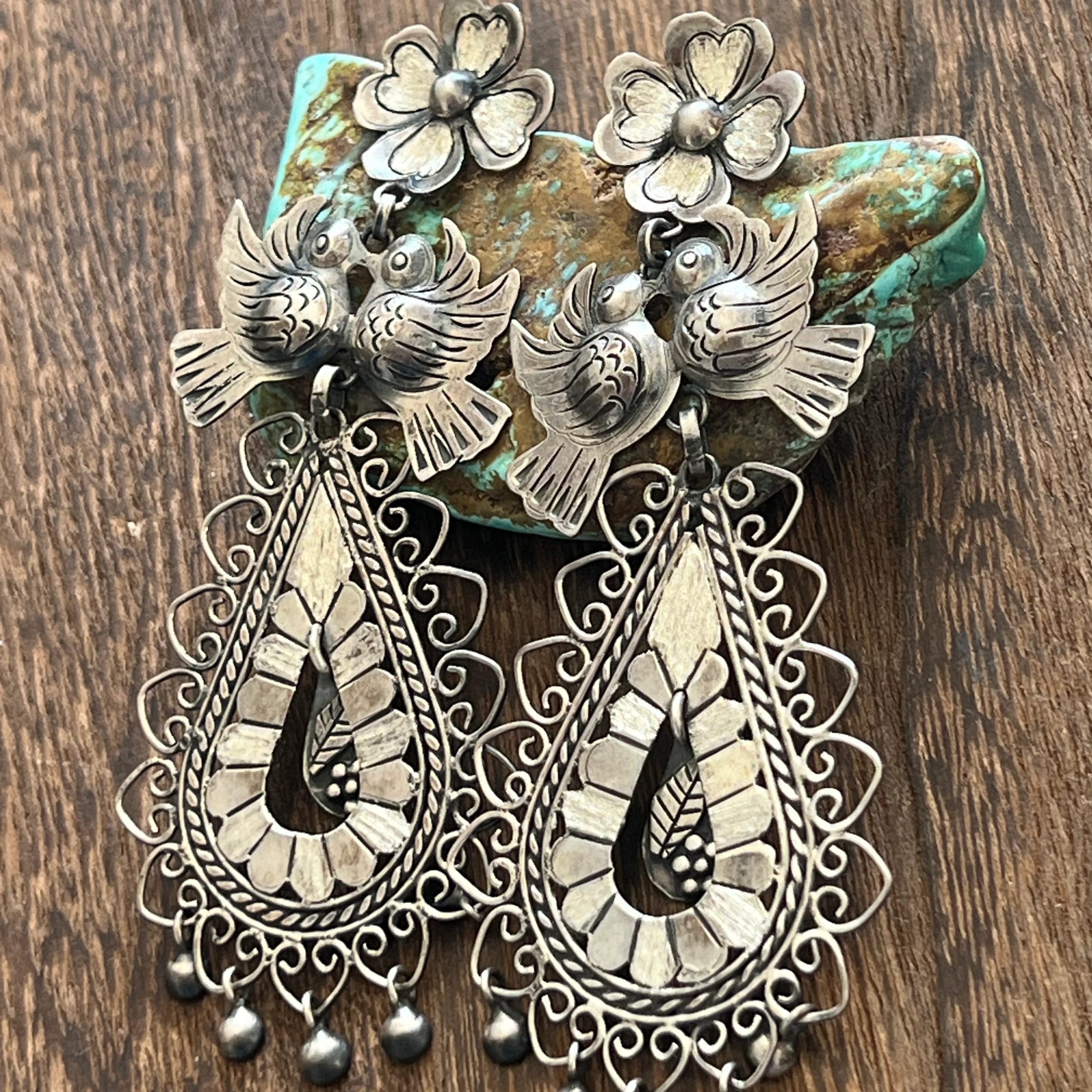
Also, study the design complexity. Intricate filigree or deep engraving takes time. Mass producers avoid such labor. Simpler, repetitive patterns point to factory origin.
Finally, research the seller. Reputable dealers provide provenance. They share history about the piece. Auction houses and antique stores often include certificates. Online marketplaces require extra caution.
With patience and knowledge, you can spot true vintage mexico silver jewelry.
Popular Types of Vintage Mexican Silver Jewelry
Rings, Necklaces, Earrings, and More
Rings are among the most collected forms of vintage mexico silver jewelry. Cuff rings with wide bands showcase detailed carvings. Signet styles feature engraved family crests or tribal symbols. Some include inset stones like black onyx or red coral.
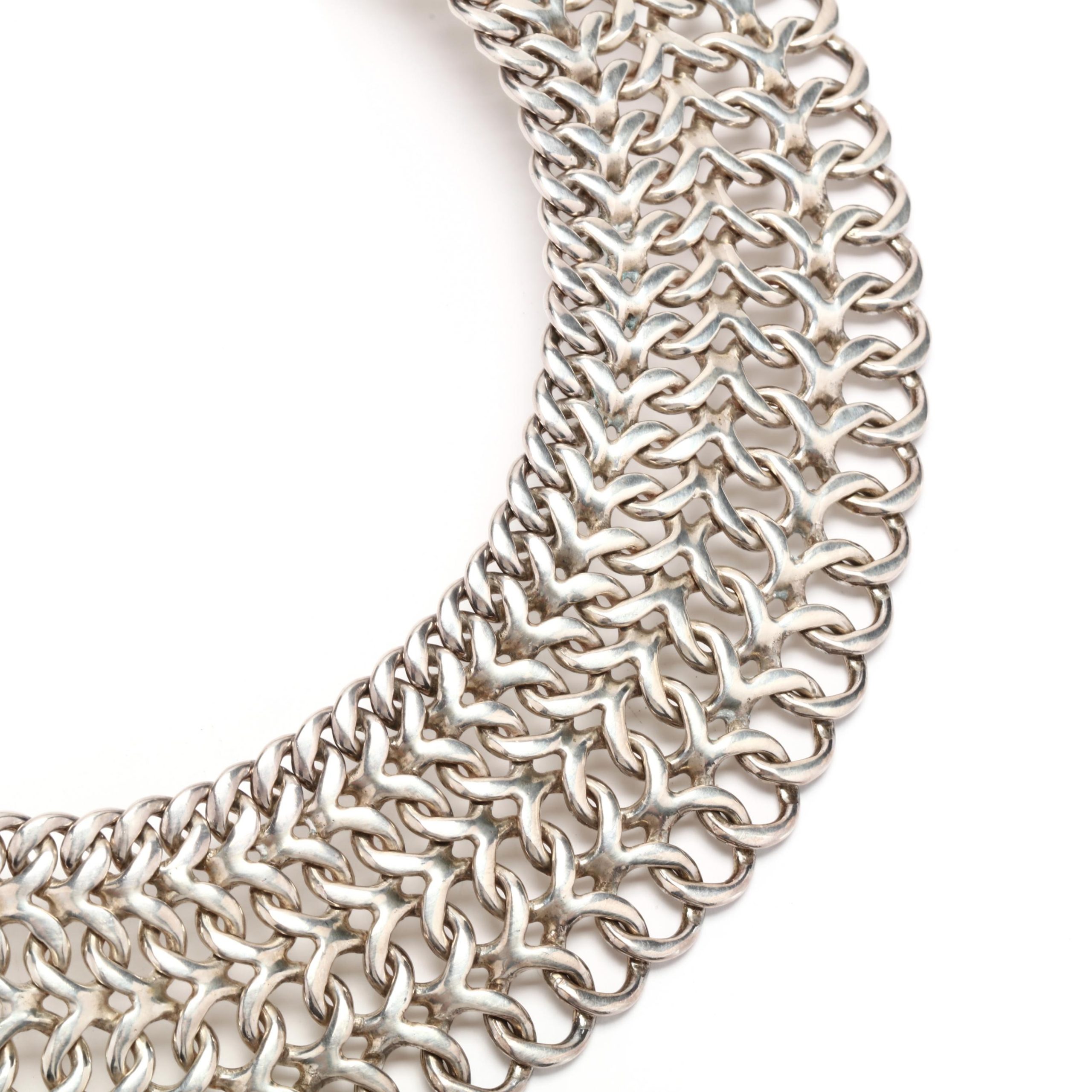
Necklaces vary widely in length and structure. Long pendant necklaces often depict gods, animals, or sacred geometry. Shorter chains carry charm-style links. Rope chains with hand-twisted silver add texture. Many include clasps shaped like snakes or skulls.
Earrings come in multiple styles. Danglers with intricate drops catch light beautifully. Hoops range from small circles to dramatic chandeliers. Studs may feature carved faces or sunbursts. Clip-ons exist for those without pierced ears.
Bracelets and cuffs highlight bold design. Wide cuffs cover the forearm. They make strong fashion statements. Bangle sets stack for rhythmic effect. Chain bracelets offer flexibility and comfort.
Brooches and pins were popular in the 1950s and 60s. Women pinned them to blouses or hats. Designs include flowers, birds, and abstract shapes. These double as decorative art when displayed.
Belt buckles served both function and flair. Cowboys wore large silver plates with engraved scenes. Some featured moving parts like swinging charms. These remain highly sought after.
Even tiaras and hair combs appeared in ceremonial collections. Though rare, they surface at auctions. These luxury items were made for special events.
Each type reflects a different aspect of Mexican culture. Together, they form a vibrant mosaic of expression.
 Caring for Your Vintage Mexico Silver Jewelry
Cleaning, Storing, and Preserving Over Time
Proper care keeps vintage mexico silver jewelry looking radiant. First, clean gently. Use a soft cloth dampened with lukewarm water. Wipe away dirt or oils. Avoid soaking unless absolutely necessary.
Never use harsh chemicals. Bleach, ammonia, or ultrasonic cleaners can damage delicate engravings. For tarnish, use a specialized silver polishing cloth. Always rub lightly along the grain.
Remove jewelry before swimming or showering. Chlorine and saltwater accelerate tarnishing. Soaps leave dull residues. Perfume and lotion can erode metal over time.
Store each piece separately. Use soft pouches or lined boxes. Anti-tarnish strips absorb sulfur from the air. Keep storage areas dry and cool. Humidity speeds up oxidation.
Avoid direct sunlight. UV rays fade some stones and weaken adhesives. Store in drawers or cabinets away from windows.
Inspect regularly. Check for loose stones, broken clasps, or weak links. Fix small issues early. Delaying repairs leads to bigger losses.
For long-term preservation, consider professional cleaning. Experts restore without harming patina. Some collectors prefer aged finishes. Polishing removes character. Discuss options first.
Handle with clean hands. Oils transfer easily. Take off rings before chores. Prevent scratches from hard surfaces.
With mindful habits, your collection stays beautiful for decades.
Where to Find Genuine Vintage Mexico Silver Jewelry
Trusted Sources for Collectors and Enthusiasts
One of the best places to find vintage mexico silver jewelry is estate sales. Families often sell inherited pieces. These may have never been worn. Look for older homes in cities with strong Latinx communities.
Antique shops, especially in border towns or tourist areas, carry curated selections. Staff often know how to authenticate. Ask about origins and markings. Reputable stores stand behind their inventory.
Auction houses offer high-value items. Christie’s, Sotheby’s, and smaller regional houses list rare finds. Previews let you examine pieces closely. Online bidding expands access globally.
Online marketplaces like Etsy, eBay, and Ruby Lane host many sellers. Filter by location, material, and era. Read reviews carefully. Check return policies and photos. Zoom in on hallmark details.
Specialty forums and collector groups are valuable. Members trade tips and warn about scams. Some organize meetups or virtual shows. Joining builds trust and knowledge.
Traveling to Mexico remains a top option. Visit Taxco’s silver markets. Talk directly to artisans or shop owners. Bargaining is expected. Bring a magnifier to inspect stamps.
Museums sometimes sell duplicates from their archives. Gift shops carry reproductions, but some partner with living artists. Proceed with caution.
Regardless of source, verify authenticity. Patience pays off when building a meaningful collection.
 Frequently Asked Questions
How do I know if my piece is real silver?
Check for hallmarks like “925” or “Plata.” Perform a magnet test. Real silver won’t stick.
Does all vintage Mexican silver have a maker’s mark?
No. Some smaller artisans didn’t stamp their work. Others used unofficial symbols.
Can I wear vintage jewelry every day?
Yes, but with care. Reserve delicate pieces for special occasions. Rotate usage to reduce wear.
What makes Taxco silver special?
Taxco became the center of artistic silver production. Its reputation for quality began in the 1940s.
Are there fake vintage pieces?
Yes. Reproductions flood online markets. Compare weight, finish, and design to known originals.
How should I insure my collection?
Get appraisals from certified gemologists. List each piece individually for full coverage.
Can tarnished silver be restored?
Yes. Use proper cloths or consult a professional. Avoid over-polishing.
Is it ethical to collect vintage Mexican jewelry?
Yes, if acquired legally. Avoid items linked to looting or sacred rituals. Respect cultural significance.
 Final Thoughts
Vintage mexico silver jewelry remains a powerful symbol of artistry, tradition, and personal expression. Each piece carries history, from the mines of Taxco to the hands of master silversmiths. Owning one connects you to a legacy of craftsmanship and cultural pride.
As fashion trends circle back to authenticity and sustainability, the appeal of vintage mexico silver jewelry only grows stronger. Whether you’re a seasoned collector or a first-time buyer, these timeless treasures offer beauty, meaning, and lasting value.