
Knowing the parts of a skirt is essential for anyone interested in fashion design, clothing repair, or personal styling. Whether you’re altering garments, shopping with confidence, or creating your own pieces, understanding each component improves decision-making. From the waistband to the hemline, every section plays a role in fit, comfort, and appearance. These elements work together to shape how a skirt drapes, moves, and feels on the body. As a result, recognizing the parts of a skirt helps you appreciate both craftsmanship and individual style choices.
Additionally, different skirt styles feature unique combinations of these components. A-line skirts, pencil skirts, circle skirts, and maxi skirts all use variations of the same core parts. Some include zippers, pockets, or pleats, while others rely on stretch fabric or wrap closures. Because of this variety, identifying each part allows you to compare designs effectively. It also supports better communication when discussing alterations or repairs. Therefore, learning about the parts of a skirt empowers you to make smarter wardrobe choices.
Contents
- 1 Why Knowing the Parts of a Skirt Matters in Fashion and Design
- 2 Key Components
- 3 How Different Skirt Styles Use the Same Core Parts Differently
- 4 Functional Elements That Enhance Skirt Performance
- 5 Styling and Alteration Tips Using Knowledge of Skirt Parts
- 6 Frequently Asked Questions
- 7 Final Thoughts
 Why Knowing the Parts of a Skirt Matters in Fashion and Design
Building Confidence Through Clothing Literacy
Understanding the parts of a skirt gives you greater control over your wardrobe. You can describe what you like or dislike with precision. For example, instead of saying “this fits weird,” you might say “the waistband is too tight” or “the lining rides up.” This clarity improves shopping success and tailor interactions.
Moreover, it enhances do-it-yourself projects. When sewing or adjusting a skirt, knowing where the facing ends or how the zipper attaches prevents mistakes. You avoid cutting into structural seams or damaging functional areas.
Designers use this knowledge daily. They manipulate each part to achieve specific effects. A curved waistband may follow body contours. A split hem increases leg movement. Every detail serves a purpose.
Tailors rely on precise terminology. Saying “reinforce the side seam” is clearer than “fix the side.” Professionals respond faster when clients speak accurately.
Even online shopping benefits from this awareness. Product descriptions often list features like “hidden back zipper” or “double-layered hem.” Recognizing these terms helps predict fit and function.
Parents repairing school uniforms or children’s clothes find it useful too. Identifying a missing hook-and-eye closure speeds up fixes.
Ultimately, knowing the parts of a skirt transforms confusion into confidence. It turns vague preferences into actionable insights.
Key Components
Waistband, Seams, Hemline, and Closure Systems
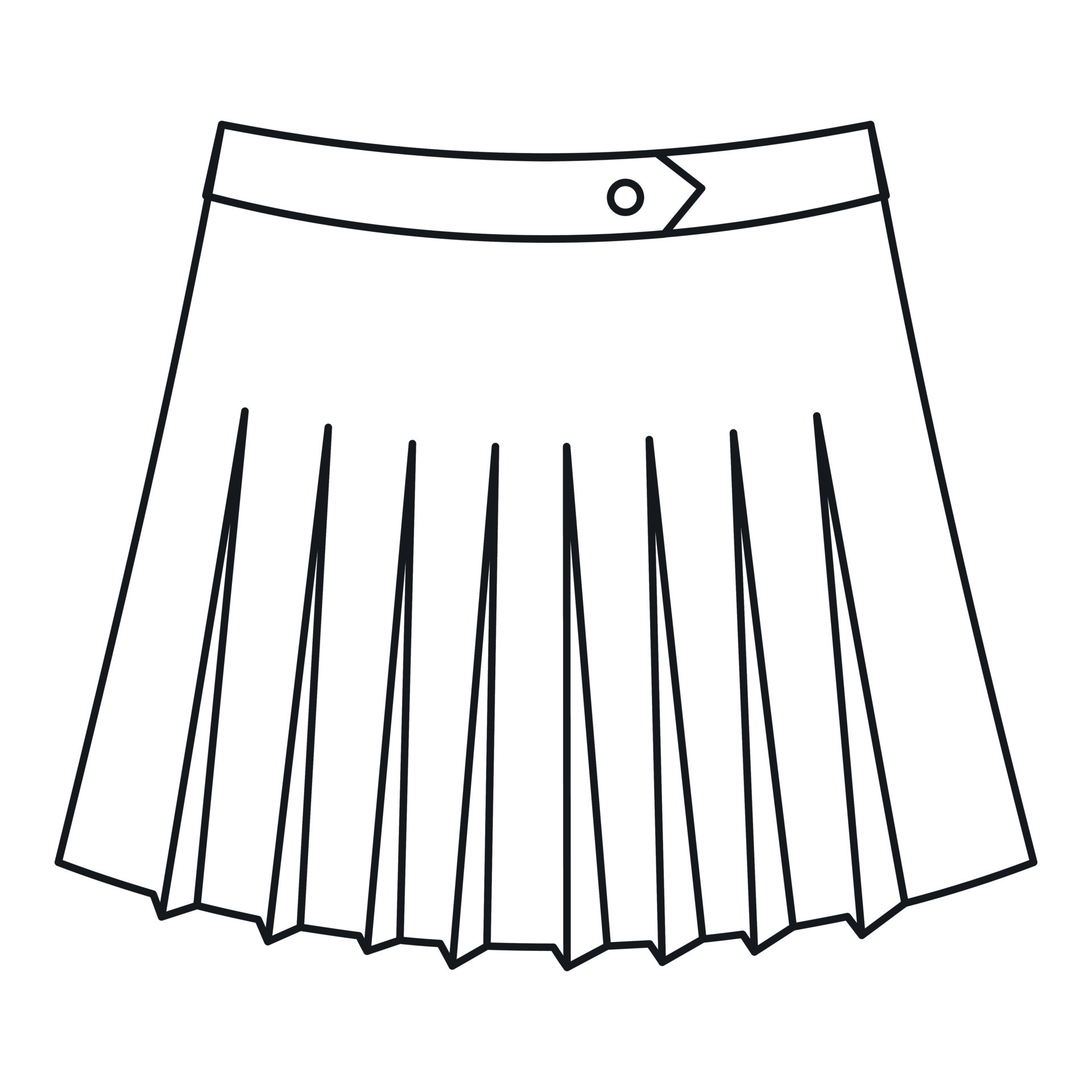
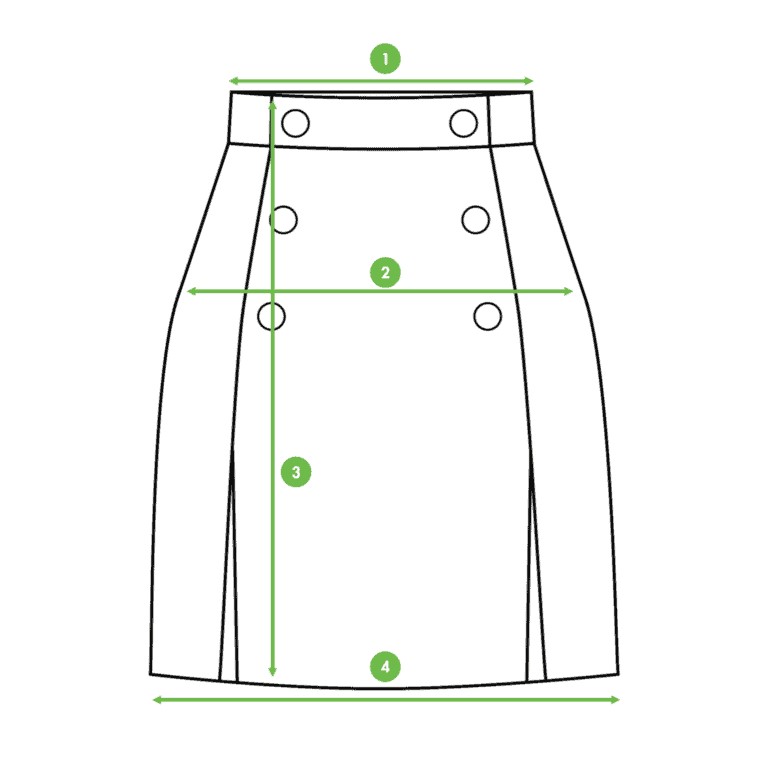
The waistband is one of the most important parts of a skirt. It wraps around the natural waist or hips and holds the garment in place. It can be wide or narrow, elasticated or firm. Some styles extend into a belt loop system for added structure.
Seams connect fabric panels and shape the skirt. Side seams run vertically along the hips. Center back or center front seams appear in tailored designs. Princess seams curve over the hips and torso for a flattering fit. These affect drape and silhouette.
The hemline marks the bottom edge. Its length varies—from mini to midi to maxi. A clean, even hem ensures balance. Uneven hems cause tripping or look unprofessional. Hems may be rolled, faced, or weighted.
Closures keep the skirt secure. Zippers are common, placed at the back, side, or center. Hook-and-eye fasteners reinforce the top of the zipper. Buttons, snaps, or ties appear in casual or vintage styles.
Pockets add utility. Patch pockets attach on the outside. Inset pockets open through side seams. Welt pockets are narrow and formal. Not all skirts include them.
Facings line raw edges for a neat interior. They cover seam allowances at the waist or opening. Linings provide full coverage inside the skirt. They reduce cling and improve drape.
Each of these parts of a skirt contributes to overall performance.
 How Different Skirt Styles Use the Same Core Parts Differently
Design Variations Based on Silhouette and Purpose
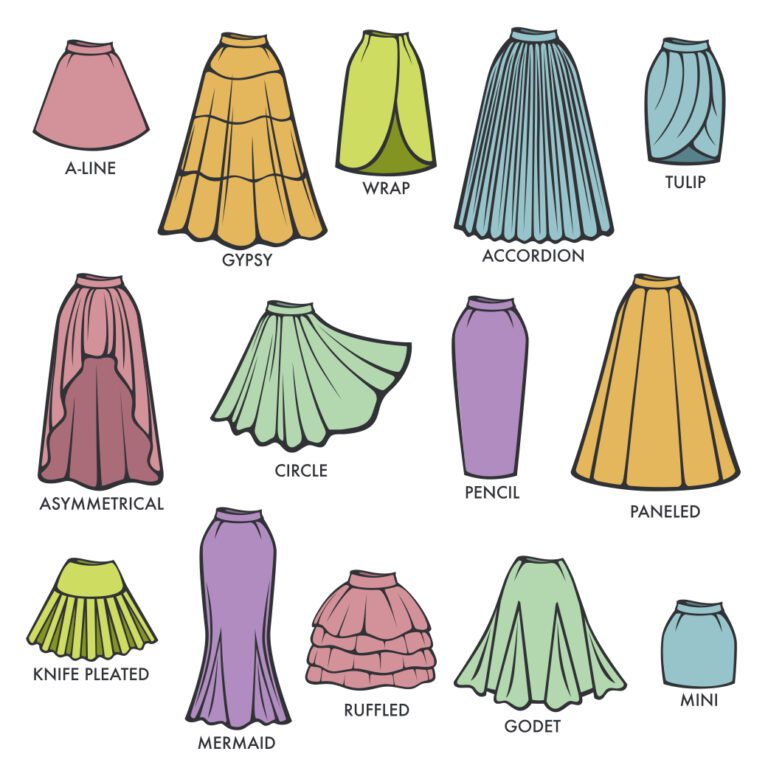
Although all skirts share the same basic parts, their construction varies by style. A pencil skirt uses straight seams and a snug waistband. This creates a sleek, form-fitting look. It often includes a back vent for walking ease.
An A-line skirt flares gently from the waist. Its side seams angle outward. The hem is wider but not as dramatic as a circle skirt. This design suits many body types.
Circle skirts use multiple fabric circles for fullness. The waistband connects to a smaller inner circle. This allows 360-degree movement. Swirling becomes easy and fun. These skirts often lack linings due to volume.
Maxi skirts reach the ankle. Their long hemlines require heavier fabrics. Lightweight materials may cling or twist. Slits or godets increase stride comfort.
Wrap skirts overlap at the front. They use ties or hidden snaps instead of zippers. The waistband may be self-tied or attached. Fit adjusts to the wearer.
High-waisted skirts sit above the natural waist. They elongate legs and smooth the midsection. Low-rise versions fall below the hips. These suit relaxed, modern outfits.
Mini skirts show more leg. Their short hemlines demand careful finishing. Raw edges or flimsy hems ruin the look.
Each variation uses the standard parts of a skirt but adapts them creatively.
Functional Elements That Enhance Skirt Performance
Linings, Interfacings, and Reinforcements
Linings improve comfort and durability. They prevent sheer outer fabrics from clinging. They also reduce friction between skin and material. Silk, polyester, and rayon are common lining fabrics.
Interfacing adds stiffness to certain parts of a skirt. It appears in waistbands, collars, or button plackets. Fusible interfacing bonds with heat. Sew-in types offer more flexibility.
Reinforcements strengthen high-stress areas. Bar tacks appear at pocket corners and zipper ends. These prevent tearing from repeated strain. Double stitching increases strength in side seams.
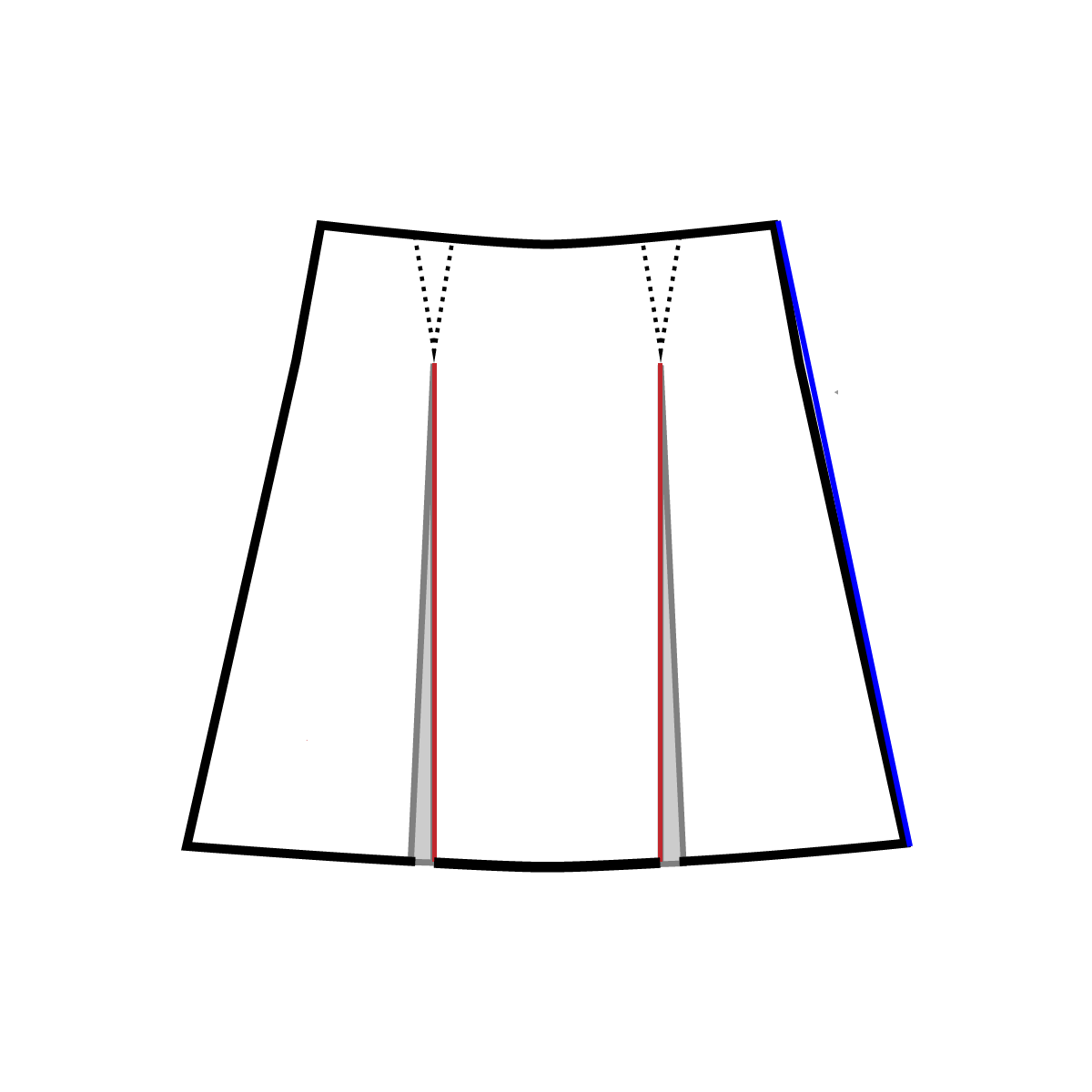
Darts shape flat fabric to fit curves. They appear at the waist or hips. Vertical darts taper to a point. Horizontal ones help contour the lower back.
Gussets add fabric inserts for mobility. They appear in crotch areas of longer skirts. This reduces tension when sitting or climbing stairs.
Elastic sections allow stretch without zippers. Common in casual skirts, they slip on easily. Covered elastic looks neater than exposed bands.
Hooks, eyes, and snaps support closures. A hidden snap above a zipper stops slippage. Waist adjusters let wearers tighten slightly if needed.
These functional parts of a skirt ensure longevity and fit. They may not be visible, but they are essential.
 Styling and Alteration Tips Using Knowledge of Skirt Parts
Customizing Fit and Appearance with Confidence
When altering a skirt, start by assessing its parts. If it’s too loose at the waist, take in the side seams. Always mark evenly and pin before sewing. Remove the skirt from the machine carefully to check alignment.
Shortening a skirt requires attention to the hem. Fold and press before stitching. Use matching thread and a blind hem stitch for invisibility. Check length while standing and walking.
Adding pockets? Choose a compatible style. Inset pockets blend well with structured skirts. Patch pockets give a casual touch. Position them symmetrically.
To widen a skirt, open side seams and insert fabric panels. Use matching material or contrast for design effect. Press new seams flat.
Replace broken zippers with the same length and type. Nylon zippers suit lightweight skirts. Metal ones hold up in heavy fabrics.
If the waistband digs in, replace it with a softer band. Use fold-over elastic or a fabric-covered option. Attach securely to avoid twisting.
For professional results, finish all raw edges. Use serging, bias binding, or zigzag stitches. This prevents fraying over time.
Understanding the parts of a skirt makes alterations less intimidating. You gain control over fit and function.
 Frequently Asked Questions
What is the difference between a facing and a lining?
A facing finishes only the edges, like the waist or opening. A lining covers the entire inside. Linings hang freely; facings are narrower.
Can I add a lining to an unlined skirt?
Yes. Cut lining pieces to match the main fabric. Attach at the waist and hem. Use slipstitching for a clean finish.
How do I fix a sagging waistband?
Take in the waistband seam or add elastic behind it. Adjust gradually until fit feels secure.
Are all skirts supposed to have zippers?
No. Wrap, pull-on, or button-front skirts don’t need them. Zippers depend on style and fabric stiffness.
How do I identify a princess seam?
It runs from the shoulder or armhole down to the hem. It shapes the bodice and skirt in one continuous line.
Where should darts be placed on a skirt?
Front darts point toward the belly button. Back darts aim at the spine. They end just before the fullest part of the curve.
 Final Thoughts
Understanding the parts of a skirt opens up a world of fashion possibilities. It builds confidence in choosing, wearing, and modifying clothing. Each element—waistband, hem, seam, closure—serves a purpose. Together, they create a balanced, wearable garment.
In conclusion, whether you’re a designer, tailor, shopper, or DIY enthusiast, this knowledge pays off daily. It improves fit, extends garment life, and supports creative expression. And as trends evolve, the fundamental parts of a skirt remain constant. By mastering them, you stay ahead in both function and style. Ultimately, every great outfit starts with knowing what lies beneath the surface.