
If you’re exploring the vast world of Minecraft, knowing the Minecraft fishing rod recipe is essential. This simple yet powerful tool opens up new ways to gather food, treasure, and rare items. Whether you’re surviving in a remote biome or building an elaborate base, fishing provides consistent rewards. Moreover, it requires minimal resources, making it accessible early in the game.
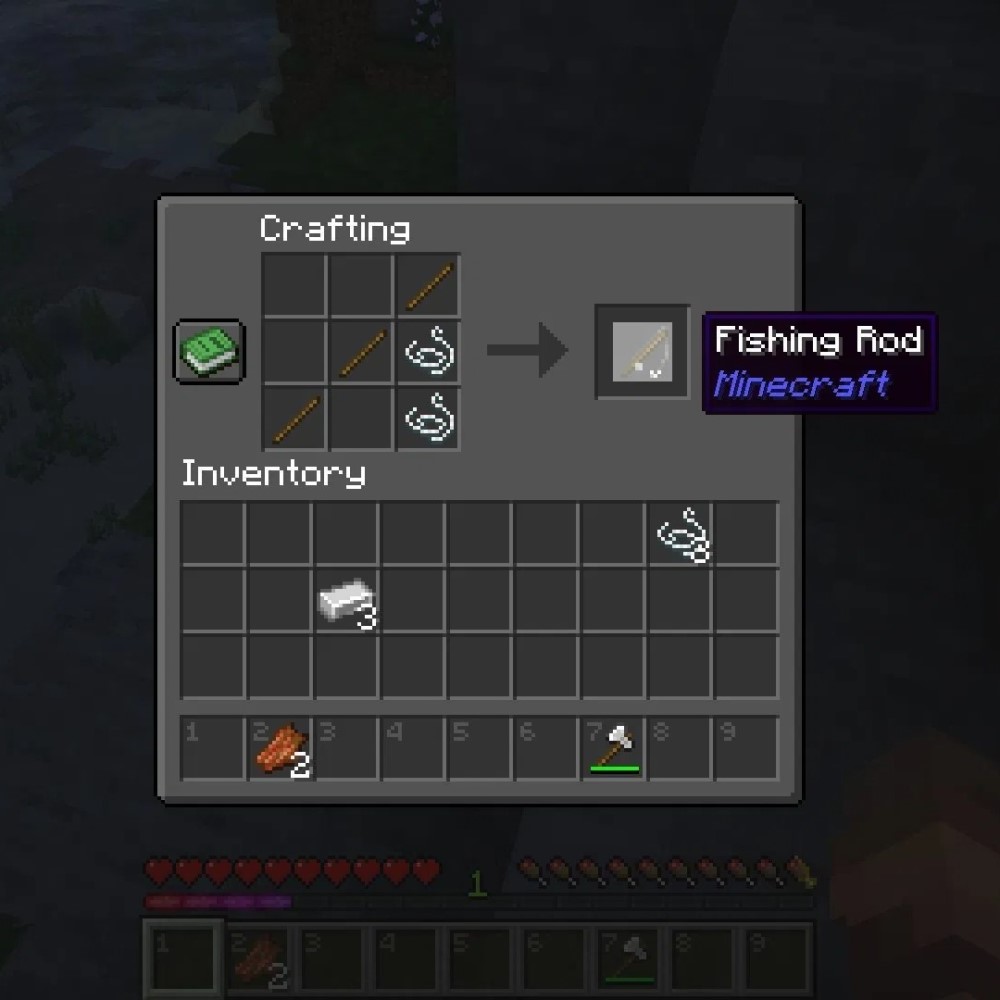
The Minecraft fishing rod recipe uses only three sticks and two strings. Once crafted, players can fish in any water body that meets basic game requirements. Not only does this method supply cod or salmon, but it also yields enchanted books, name tags, and even saddles. Because of its versatility, mastering this recipe improves overall gameplay efficiency. In addition, upgraded rods with enchantments last longer and perform better. As a result, many players consider the fishing rod a must-have item. This guide covers every detail about crafting, using, and optimizing your fishing experience.
Contents
- 1 Understanding the Basics of the Minecraft Fishing Rod Recipe
- 2 Enhancing Your Fishing Experience
- 3 Where to Fish Successfully in Minecraft
- 4 Why Fishing Beats Other Food Sources
- 5 Building a Dedicated Fishing Station
- 6 Advanced Techniques and Farm Designs
- 7 Frequently Asked Questions About the Minecraft Fishing Rod Recipe
- 8 Final Thoughts
 Understanding the Basics of the Minecraft Fishing Rod Recipe
What You Need to Start Crafting
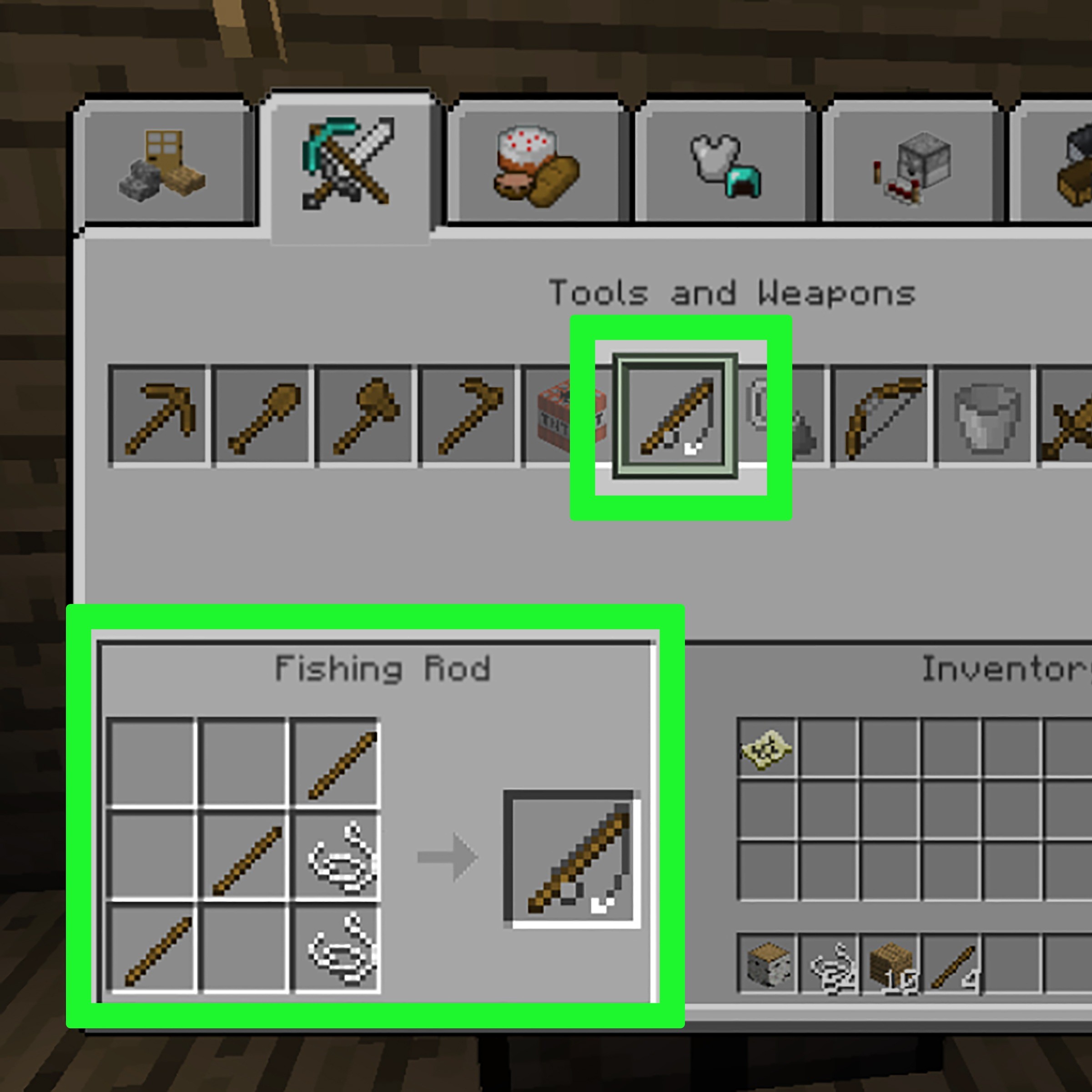
To begin, gather the required materials for the Minecraft fishing rod recipe. You will need three wooden sticks and two pieces of string. Sticks are easy to make by placing two planks vertically in the crafting grid. Planks come from any type of wood log, so oak, birch, or jungle logs all work.
String can be collected in several ways. Killing spiders drops string, especially at night. Breaking cobwebs in caves or abandoned mineshafts also gives string. Additionally, fishing itself may reward string as a junk item. Therefore, having a basic rod helps replenish supplies over time.
Next, open your crafting table interface. Arrange the items in a specific diagonal pattern. Place one stick in the top-left slot. Then put a string in the middle-center slot. After that, add a stick in the bottom-center slot. Continue by placing a string in the center-right slot. Finally, place the last stick in the bottom-right slot. This creates one fishing rod.
Once made, drag the rod into your inventory. Now you’re ready to use it near any valid water source. Keep in mind that rain increases fishing speed slightly. Also, standing near water lily pads or under a roof doesn’t affect functionality. With the rod equipped, right-click to cast your line.
Enhancing Your Fishing Experience
Adding Enchantments for Greater Efficiency
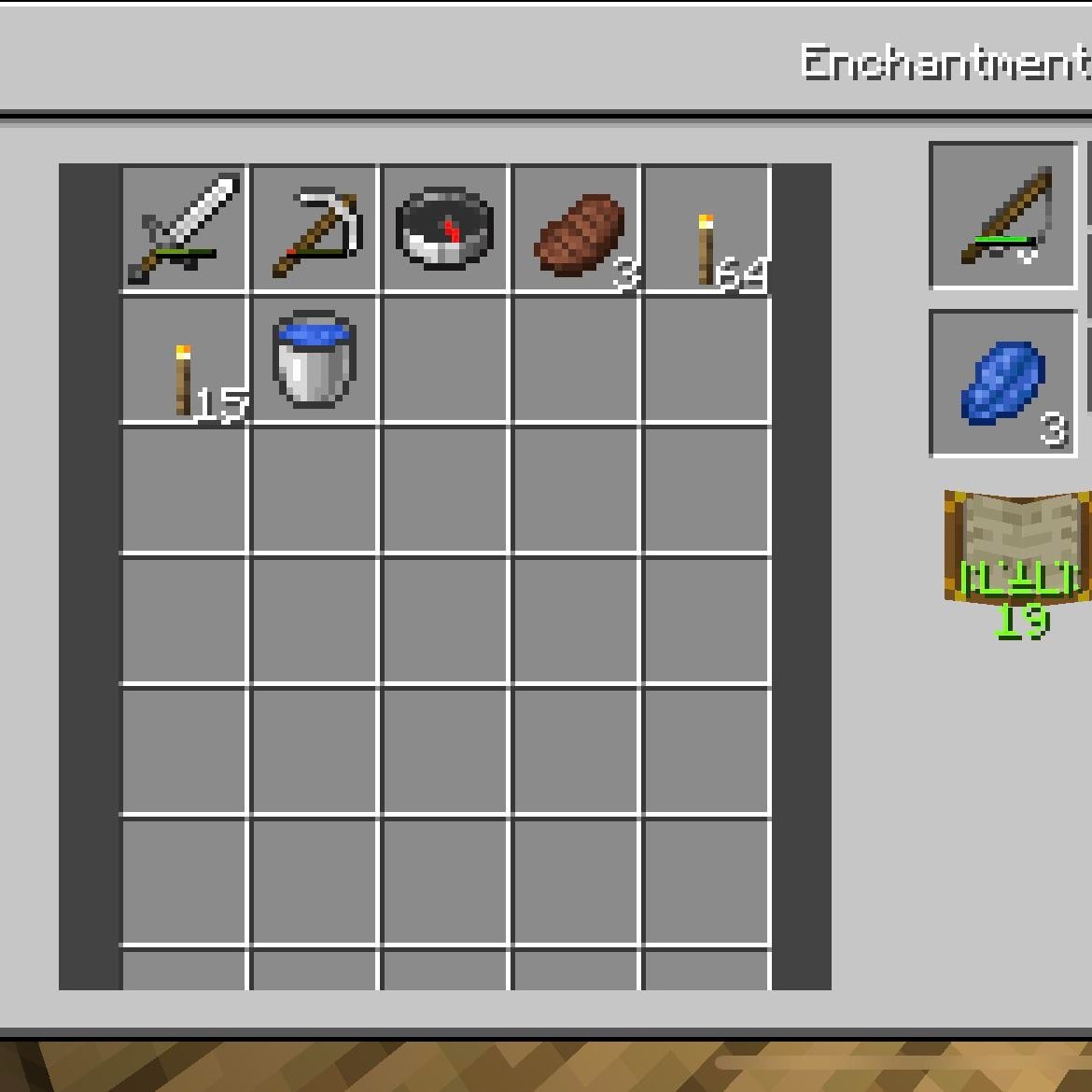
After crafting your first rod using the Minecraft fishing rod recipe, consider improving it through enchantments. Enchanted rods catch fish faster and reduce the chance of catching junk. They also last much longer before breaking. To enchant, you’ll need an enchanting table, experience levels, and lapis lazuli.
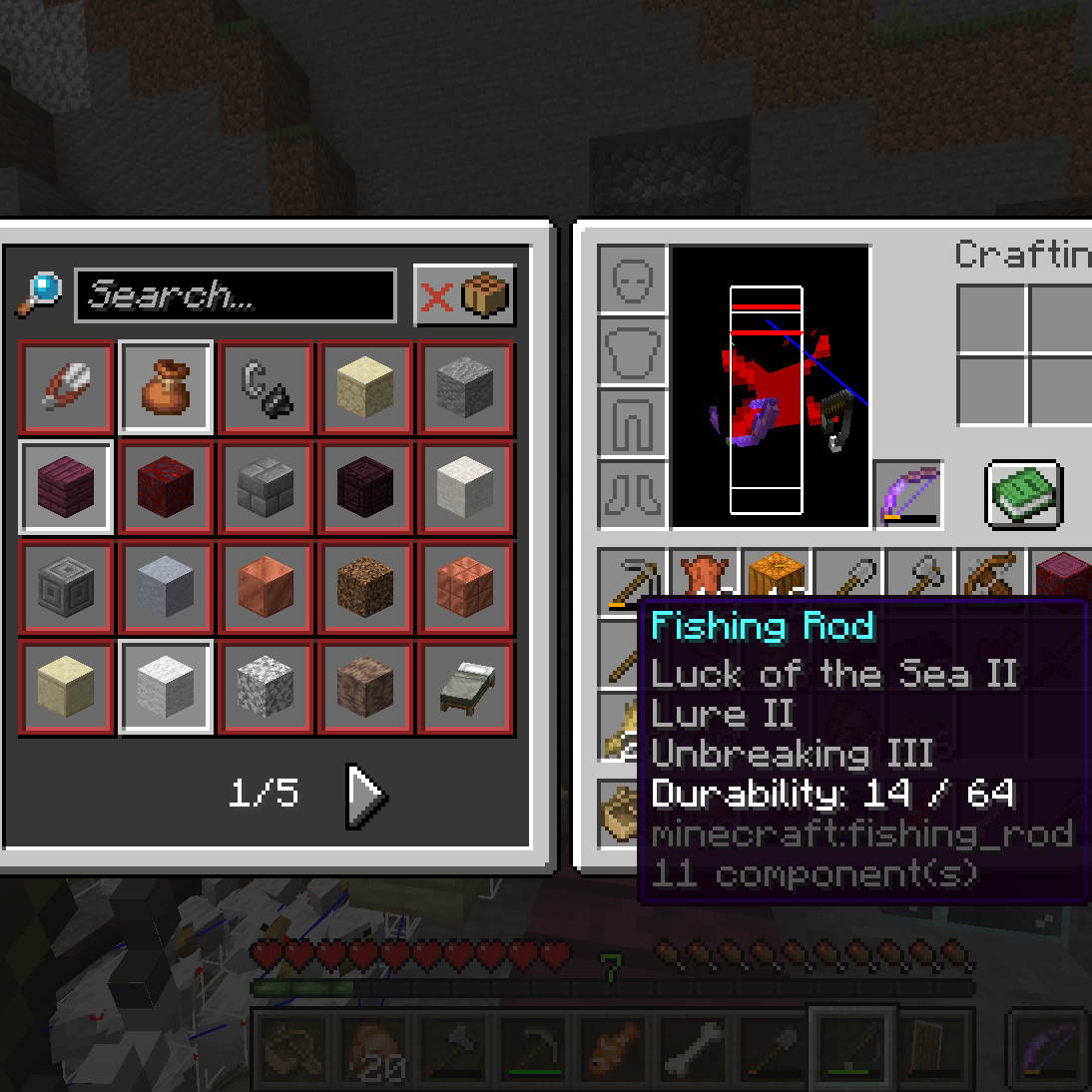
The best enchantments include Luck of the Sea and Lure. Luck of the Sea increases the odds of catching treasure instead of junk. Lure shortens wait times between bites significantly. Both are highly valuable depending on your goal. For example, use Lure when hungry and needing food quickly. Choose Luck of the Sea when searching for rare drops like nautilus shells.
Another useful upgrade is Unbreaking. This enchantment extends durability by reducing wear per use. Combined with Mending, which repairs the rod using XP orbs, your tool can last indefinitely. Mending works best if you collect experience regularly from mobs or smelting.
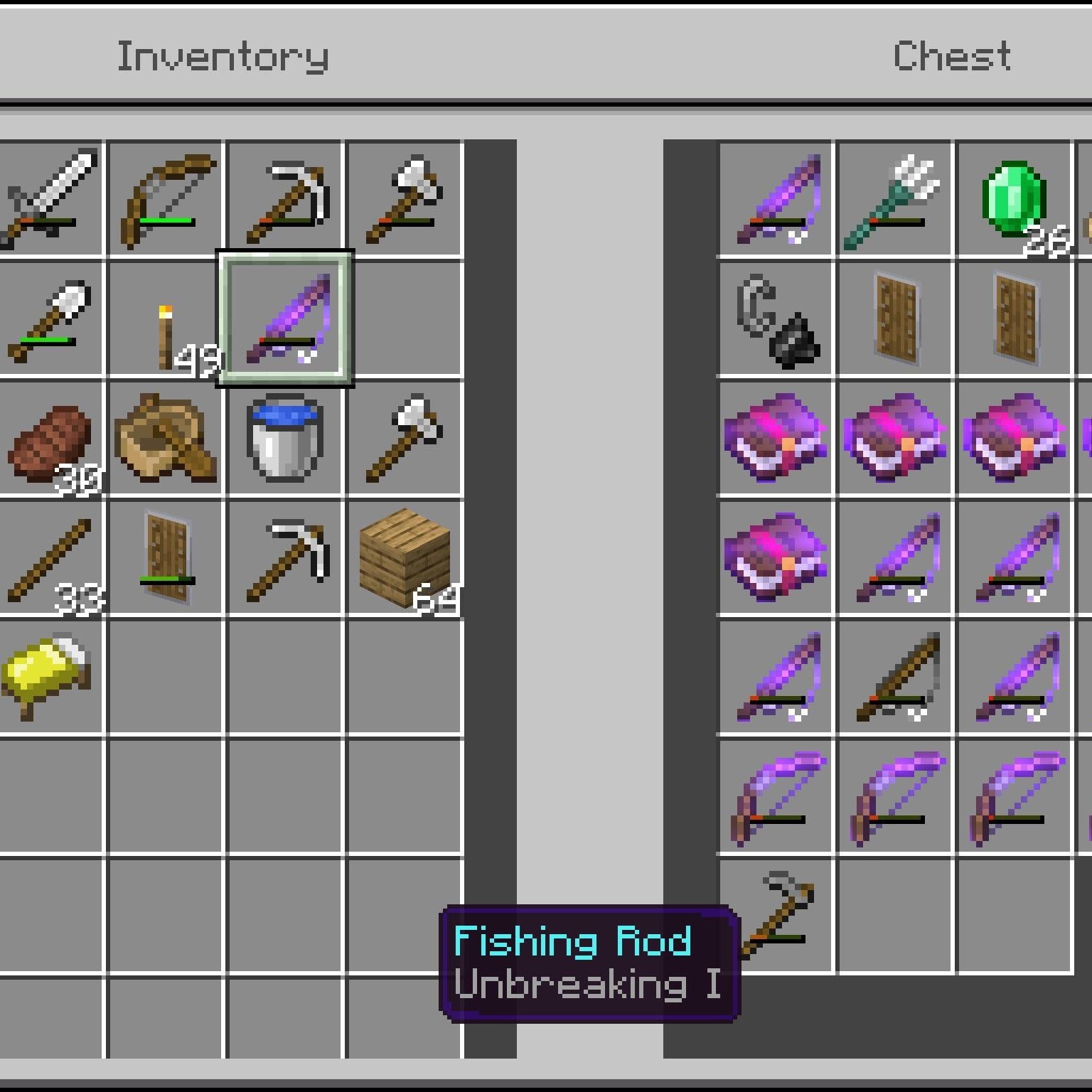
Enchantments can be applied via an enchanting table or anvil. Using an anvil allows combining two enchanted books or tools. However, this method costs more experience. Alternatively, find enchanted rods in village chests, shipwrecks, or as loot from zombies holding them. These options save time and resources.
 Where to Fish Successfully in Minecraft
Choosing the Right Location Matters
Not all water bodies allow fishing. To use your rod effectively, find a suitable spot. The area must have at least 5×5 blocks of water surface. Furthermore, the water should be at least one block deep. Any light level works, but open skies improve results during rain.
Oceans, rivers, and swamps are ideal biomes. Each offers unique benefits. Oceans provide access to tropical fish and pufferfish. Rivers often spawn salmon, which restore more hunger points. Swamps may yield more junk due to lower visibility, but they still count as valid zones.
Avoid small ponds or enclosed tanks unless expanded to meet size requirements. Even a single missing block can prevent casting. Also, ensure no solid blocks hover directly above the water. Overhanging ceilings stop the bobber from landing. Transparent blocks like glass do not interfere.
Rain boosts fishing rates across all dimensions. Therefore, waiting for storms can speed up collection. Additionally, fishing near a bed increases comfort and respawn points. Some players build automated farms using water channels and hoppers. These setups collect items automatically while they focus on other tasks.
Why Fishing Beats Other Food Sources
A Reliable Method for Sustained Survival
Fishing stands out among food-gathering methods. Unlike hunting animals, it doesn’t require tracking or combat. Compared to farming, it needs no seeds, tilling, or long growth periods. Instead, players sit and wait, making it perfect during downtime.
Each catch gives either raw fish or cooked fish. Cooked fish appears if the player fishes during rain in the Nether. Otherwise, cooking in a furnace or campfire takes one extra step. Either way, both forms restore hunger and saturation efficiently.
Beyond nutrition, fishing delivers rare non-food items. Treasures like enchanted books help power up gear. Name tags let you rename pets, preventing despawning. Saddles cannot be crafted, so finding one through fishing is invaluable.
Junk items like bowls or leather still have uses. Bowls craft mushroom stew. Leather makes armor or books. Nothing goes to waste. Even if a session yields mostly junk, future attempts may succeed. Patience pays off in unexpected ways.
Moreover, fishing supports eco-friendly gameplay. It avoids killing passive mobs unnecessarily. Players maintain balance within their environment. This approach aligns well with peaceful mode or conservation-minded builds.
 Building a Dedicated Fishing Station
Design Tips for Maximum Comfort and Output
Creating a permanent fishing spot enhances productivity. First, locate near a large water body. Then build a small platform just above the surface. Use blocks like wood, stone, or nether bricks based on theme. Add railings for safety if elevated.
Install a chest nearby to store catches automatically. Pair it with a hopper system if possible. Hoppers pull items from the water and deposit them safely. This setup lets you AFK fish without losing loot. Just remember to return before storage fills up.
Lighting matters too. Place torches or glowstone around the area. This prevents hostile mob spawns at night. If building underground, ensure full illumination. Open-air designs benefit from natural daylight.
Include seating with trapdoors or fences. These act as stools while waiting. Add a roof for shade or rain protection. Decorate with plants or banners to personalize the space. Some players integrate aquariums below to display caught fish.
Finally, keep essentials close. Store spare rods, buckets, and food in the chest. Have a crafting table and furnace nearby for quick repairs or cooking. With everything within reach, fishing becomes seamless and enjoyable.
Advanced Techniques and Farm Designs
Boosting Yield with Smart Mechanics
Experienced players go beyond basic fishing. They design farms that maximize output. One popular method uses water currents to funnel items toward hoppers. Another employs tripwires or comparators to detect bobber movement automatically.
Redstone-powered systems trigger dispensers to recast lines. These allow true AFK (away-from-keyboard) operation. However, server rules may limit such setups. Always check policies before enabling automation.
Positioning matters in high-efficiency builds. Angling the camera downward improves bobber control. Standing at the edge of a platform reduces casting errors. Some players use carpets or pressure plates to mark optimal spots.
Using multiple rods ensures continuity. When one breaks, switch immediately. Carry enchanted backups with different perks. For instance, use a Lure III rod for speed and a Luck of the Sea III for treasure hunts. Rotate based on goals.
Fishing farms often combine with mob grinders. Kill drowned in oceans to get tridents and rotten flesh. Set up kelp farms beside water areas for fuel and decoration. Multi-purpose zones increase resource diversity.
 Frequently Asked Questions About the Minecraft Fishing Rod Recipe
Common Player Queries Answered Clearly
Can I fish in lava? No, the Minecraft fishing rod recipe applies only to water. Lava damages items and destroys the bobber instantly. Never attempt fishing in magma or soul sand valleys. Stick to water sources exclusively.
Does weather affect fishing success? Yes, rain increases bite frequency. Thunderstorms boost this effect further. Clear skies slow down encounters slightly. Wait for precipitation when aiming for fast results.
What happens if I catch treasure while underwater? Nothing unusual occurs. The item appears normally in your inventory. However, ensure you’re not suffocating while retrieving it. Surface quickly after each catch.
Can fishing rods be repaired? Yes, combine two damaged rods on an anvil. Alternatively, use Mending enchantment with XP orbs. Repairing saves materials compared to crafting new ones.
Is there a limit to how many times I can fish? There is no daily cap. Players can fish endlessly. However, excessive AFK behavior may violate server rules. Play fairly and respect community guidelines.
 Final Thoughts
Learning the Minecraft fishing rod recipe unlocks a sustainable gameplay loop. It supports survival, exploration, and creativity. From simple food gathering to rare loot acquisition, this tool proves its worth repeatedly.
With proper knowledge, players enhance efficiency and enjoyment. Apply enchantments, choose smart locations, and build functional stations. Over time, fishing evolves from chore to strategic advantage. Ultimately, this humble recipe empowers smarter, richer Minecraft adventures.